
Understanding the psychological impacts of gambling A deep dive into player behavior
The Allure of Gambling: Psychological Triggers
Gambling captivates millions worldwide, largely due to its unique psychological triggers that draw players in. The thrill of risk and the potential for reward engage the brain’s reward system, releasing dopamine and creating feelings of pleasure. This chemical reaction can be addictive, prompting players to seek out online poker ny as a form of entertainment or escapism.

Furthermore, the unpredictable nature of gambling serves to heighten the excitement. Players often experience a phenomenon known as the “near-miss effect,” where they almost win, fueling the desire to play again. This psychological push reinforces the cycle of gambling, making it difficult for individuals to resist the urge to return to their favorite games.
The Impact of Losses and Wins on Player Behavior
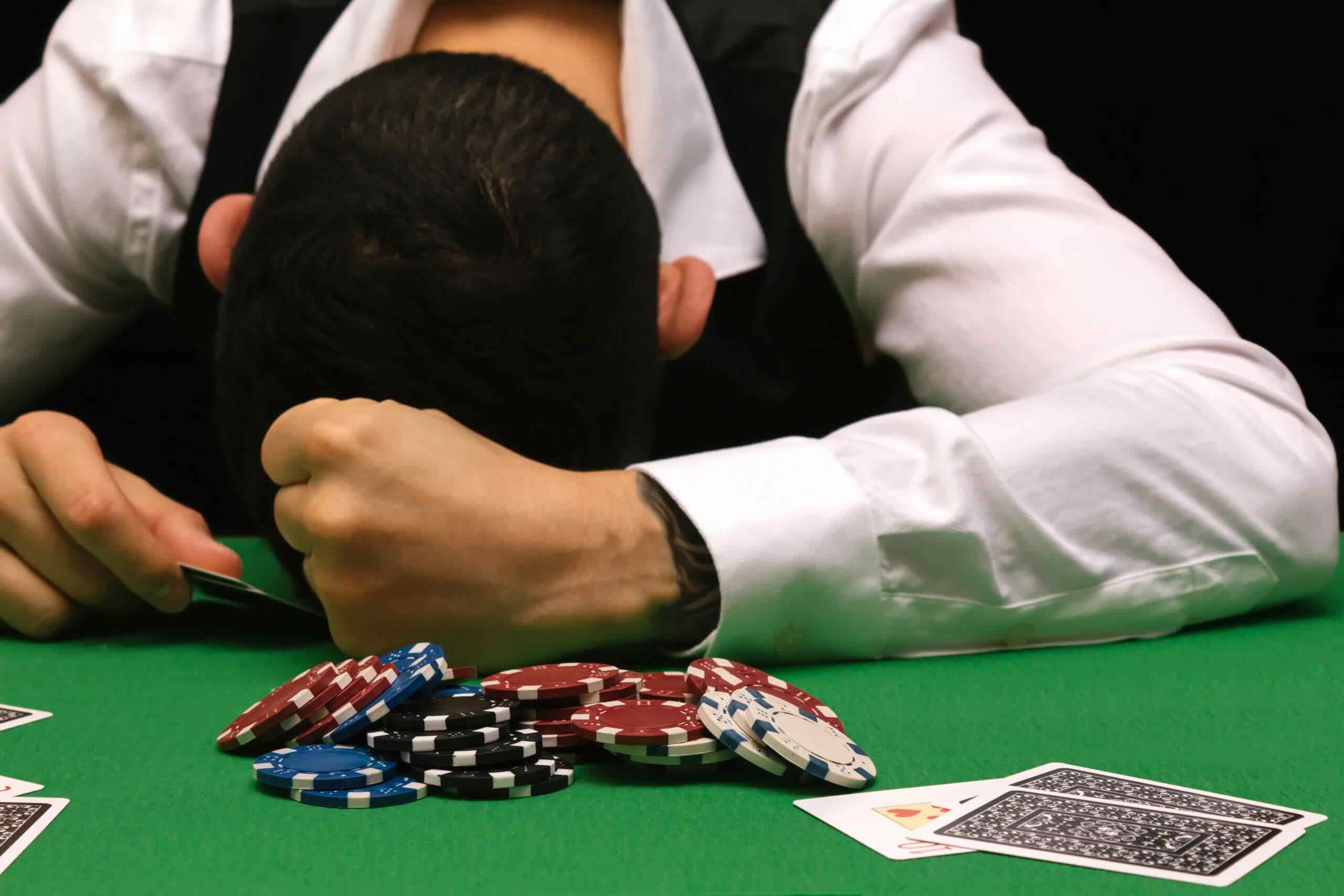
The emotional rollercoaster that accompanies gambling can significantly influence player behavior. Wins often lead to a boost in self-esteem and euphoria, encouraging players to continue gambling in hopes of replicating that success. However, losses can have the opposite effect, leading to frustration, anger, or even despair, which can drive players to gamble more in an attempt to regain their losses.
This phenomenon is known as “chasing losses,” where individuals feel compelled to continue playing despite previous failures. Such behavior can lead to a dangerous cycle, exacerbating the financial and emotional toll of gambling. Understanding this dynamic is crucial for both players and those seeking to help them navigate their gambling habits.
The Role of Cognitive Biases in Gambling
Cognitive biases play a significant role in shaping how gamblers perceive their experiences. For instance, the illusion of control leads players to believe they can influence outcomes in games of chance, which can result in overconfidence and increased betting. This misperception often blinds individuals to the inherent randomness of these games.
Additionally, confirmation bias can reinforce existing beliefs about winning or losing. Players may focus on instances where they won and ignore times they lost, creating a skewed perception of their gambling success. Recognizing these cognitive biases is essential for understanding the psychological landscape of gambling behavior.
The Social Aspects of Gambling
Gambling often serves as a social activity, allowing individuals to bond over shared experiences, whether in physical casinos or online platforms. This social connection can enhance the enjoyment of gambling, as players engage with friends or strangers, often leading to a sense of community. However, it can also mask problematic behaviors, as individuals may feel pressured to continue gambling to maintain social ties.
The social environment can amplify the effects of both wins and losses, impacting emotional responses. Winning in a group can lead to collective celebration, while losses may lead to shared disappointment. This communal aspect highlights the importance of considering social influences when examining gambling behavior, as it can significantly affect an individual’s decisions and self-perception.
Exploring Resources for Responsible Gambling
As gambling behavior continues to evolve, resources for responsible gambling are vital. Platforms like nydfglobalplatform.org aim to foster connections and share information about gambling practices and player behavior. However, with its current technical issues, users are encouraged to seek alternative resources and support systems that promote responsible gambling.
In a world where gambling is readily accessible, understanding the psychological impacts and behaviors associated with it is crucial. By raising awareness and providing educational tools, platforms can help individuals make informed choices, fostering a healthier relationship with gambling activities.


