
The historical evolution of gambling From ancient rituals to modern casinos
The Origins of Gambling in Ancient Cultures
The practice of gambling can be traced back to ancient civilizations, where it often intertwined with religious rituals and societal functions. Archaeological evidence suggests that as far back as 3000 BC, games of chance, like dice made from animal bones, were used in Mesopotamia. In these early societies, gambling served not just as entertainment but as a means of decision-making, often believed to be influenced by divine intervention. Today, the chicken road online game offers a modern twist on these ancient practices, blending fun with the potential for real rewards.

Similarly, in ancient Rome and Greece, various forms of betting emerged, often associated with athletic competitions. The Romans, for instance, enjoyed wagering on chariot races and gladiatorial contests. These activities laid the groundwork for the more organized gambling we see today, establishing it as a staple of social interaction and entertainment across cultures.
The Middle Ages and the Rise of Gaming Houses
During the Middle Ages, gambling took on a new form, particularly in Europe. With the decline of the Roman Empire, betting houses began to flourish. These establishments provided a legal and regulated space for individuals to indulge in gambling activities, ranging from card games to dice games. The shift toward organized gambling marked a significant evolution, as it helped standardize rules and practices that would be adopted in the centuries to come.
Despite being viewed with suspicion by some religious groups, the popularity of gambling continued to grow. The establishment of lotteries and the popularity of games such as backgammon reflected the public’s fascination with chance and risk. During this period, gambling became increasingly integrated into societal norms, allowing for greater access and participation among the populace.
The Enlightenment and Legalization of Gambling
The Enlightenment period in the 18th century brought about significant social and political changes, including a more favorable view of gambling. Various European countries began to regulate and tax gambling activities, recognizing their potential as a source of revenue. Casinos started to appear, particularly in cities like Venice and Monte Carlo, drawing the wealthy and adventurous alike.
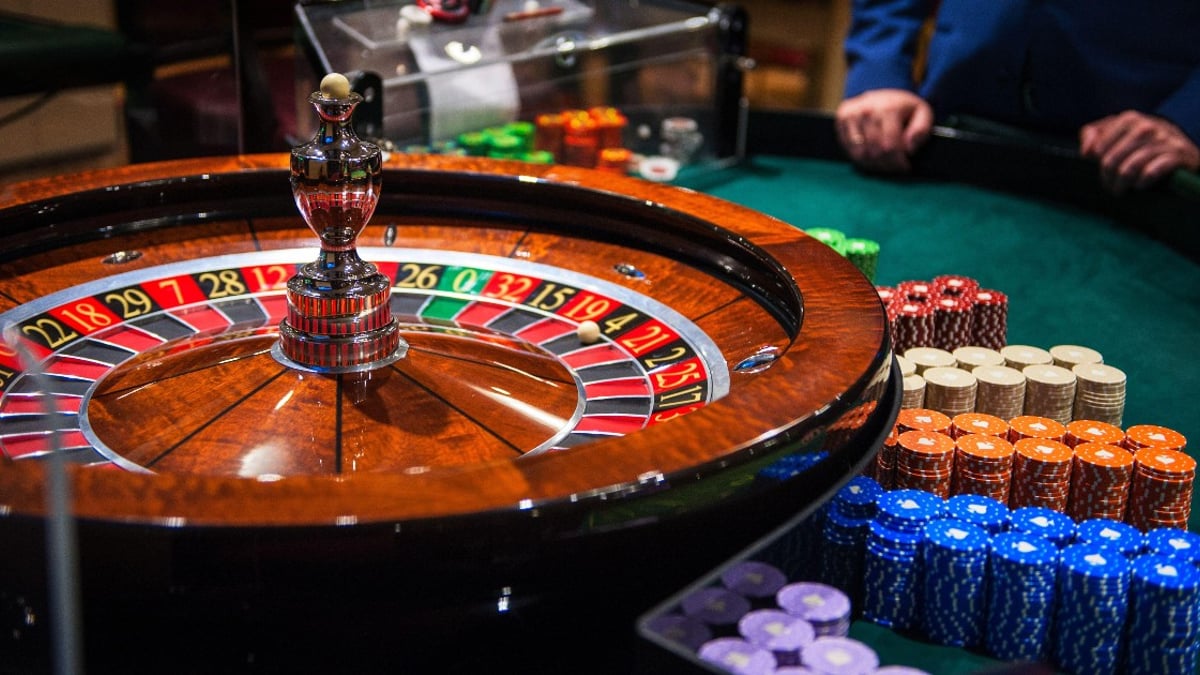
As gambling grew more regulated, it became a more prominent fixture in society. The establishment of formal rules and laws surrounding gambling led to the development of games such as poker and roulette, which would become staples in casinos. This period marked the transition from informal betting to structured gaming, setting the stage for the modern gambling industry.
The 20th Century: The Boom of Casinos and Online Gambling
The 20th century saw the explosion of gambling into a billion-dollar industry, particularly in the United States. The establishment of Las Vegas as a gambling hub transformed the landscape of entertainment, where extravagant casinos became synonymous with luxury and chance. With the legalization of gambling in various states, it attracted millions of visitors, seeking both excitement and the allure of winning big.
In recent decades, the advent of the internet has revolutionized the gambling experience. Online casinos and sports betting platforms have made gambling more accessible than ever, allowing individuals to play from the comfort of their homes. This evolution has also sparked discussions around responsible gaming and the psychological effects of gambling, emphasizing the need for regulations to protect players.
Modern Gambling: Innovations and Responsibilities
Today, gambling encompasses a vast range of activities, from traditional casinos to innovative online platforms. Games like the online crash-style game, Chicken Road, reflect the trend of gamifying gambling experiences, attracting younger audiences. The blend of entertainment and real cash rewards demonstrates how gambling has adapted to modern consumer preferences. Meanwhile, as the industry grows, discussions about the psychological effects of gambling have become increasingly relevant.
Moreover, the focus on responsible gaming has never been more important. As gambling becomes increasingly integrated into everyday life, the need for player protection and support systems is crucial. Educational initiatives and regulatory frameworks aim to ensure that gambling remains a safe and enjoyable activity while minimizing risks associated with excessive gambling.


