
Understanding the psychology of gambling What drives our bets
The Allure of Risk and Reward
The psychology of gambling often hinges on the enticing balance between risk and reward. This dynamic captivates individuals, as the possibility of winning can trigger feelings of excitement and euphoria. In fact, many players seek the thrill found in australian online casinos, where the anticipation of a favorable outcome creates a powerful emotional high. This dopamine release can become addictive, as the brain associates gambling with pleasure and gratification.
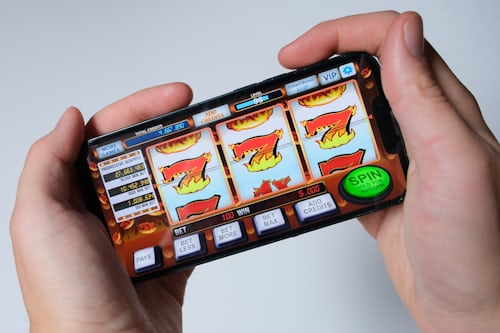
Moreover, the unpredictability of outcomes adds to the appeal of gambling. Many individuals are drawn to the idea that a small investment could yield a significant return. This potential for a life-changing win can often overshadow the reality of the risks involved, leading players to engage in behaviors that they might otherwise avoid in more structured environments.
Illusion of Control and Cognitive Biases
A common psychological phenomenon among gamblers is the illusion of control. Many players believe that they can influence the outcome of games through skill or strategy, despite the inherent randomness of most gambling activities. This mindset can lead to overconfidence and increased betting, as individuals feel empowered to affect their chances of winning.
Cognitive biases, such as the gambler’s fallacy, further complicate this issue. This fallacy is the belief that past events influence future outcomes in random events, such as believing that a losing streak must be followed by a win. Such misconceptions can perpetuate gambling behavior, leading individuals to place bets with the hope of overturning perceived unlucky streaks.
The Role of Emotions in Gambling Decisions
Emotions play a crucial role in gambling behavior, influencing decisions significantly. For many, gambling serves as an escape from stress or negative feelings. When individuals are faced with challenges in their lives, they may turn to gambling as a way to cope, believing that a win could offer a quick solution to their problems.
On the other hand, positive emotions can also fuel gambling. A sense of celebration, excitement, or social bonding often accompanies gambling activities, reinforcing the behavior as a form of recreation. This emotional rollercoaster can lead to patterns of habitual gambling, which may increase the risk of developing problematic gambling behaviors over time.
Social Influences on Gambling Behavior
Social environments significantly shape gambling behavior. Friends, family, and cultural attitudes towards gambling can either encourage or deter individuals from participating. In some communities, gambling is viewed as a social norm or even a rite of passage, fostering an environment where betting becomes a collective experience.
Additionally, social media and online platforms have transformed the landscape of gambling, making it more accessible than ever. The ability to share experiences and wins on social platforms can enhance the thrill associated with gambling, further normalizing the behavior and encouraging more frequent participation among peers.

Promoting Responsible Gambling Practices
Understanding the psychology behind gambling is essential for promoting responsible gambling practices. Education about the risks and cognitive biases associated with betting can empower individuals to make informed decisions. Techniques such as setting limits on spending and recognizing emotional triggers can help maintain a healthy relationship with gambling.
Moreover, support systems, whether from family, friends, or professional organizations, can play a vital role in encouraging responsible gambling. By fostering open conversations about gambling behaviors and their implications, we can create a safer environment for individuals to enjoy games of chance without falling into the trap of addiction.


