
Workout apps can be especially appealing for beginners because they provide both convenience and guidance. Many offer beginner-friendly routines with clear, step-by-step instructions, making it easier to get started or ease back into exercise after a break. When starting, look for videos labeled specifically for beginners and make sure your doctor clears any new exercise routine. Most apps also include video demonstrations for each movement, along with progress tracking and structured plans to help you stay consistent and accountable. Workout apps are a fantastic tool for guidance, structured routines, and cues to help with form.
Best for yoga & meditation
Other than finding one at the low, low price of free, here are some things to consider for the right fitness app for you. Each workout you log will add to a heat map, showing muscle groups used more frequently than others. This can be a good indicator of which muscles you should focus on next, and which muscles might be a little tired from previous workouts. Strava also integrates and syncs automatically to major fitness tracker brands popular among cyclists and runners—Garmin, Polar, Wahoo, and FitBit, for example. You can connect your Zwift account and indoor bike to Strava as well, so indoor rides populate the app as well. One callout that Amanda has is that Caliber lacks integration with common fitness trackers.
You can even follow a program over the course of a month and decide how often you’re looking to work out. Because Nike is such a big name in fitness, many of its workouts draw inspiration from famous athletes, such as Simone Biles weight loss tips beginners and Serena Williams. If you prefer a workout app that’s more specific to your interests, such as yoga, we recommend others in the list below. Of course, scrolling the app store can feel overwhelming, and not every fitness app delivers high-quality programming. That’s why our exercise professionals in the Good Housekeeping Institute Nutrition & Fitness Lab tested more than 40 workout apps to find the ones that truly stand out. We evaluated everything from the quality of the workouts and variety of classes to how intuitive the apps felt to use.
Sweat App is my favorite workout: My full review
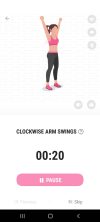
Each workout starts with some bodyweight or banded activation work to get the right muscles firing, then moves into the meatier exercises, before finishing with a short stretch. Unlike other plans I’ve tried, there aren’t a million different exercises crammed in. Each session includes seven exercises, and not all of them require equipment, so there’s less faff, and it’s easier to stay on track and not feel overwhelmed halfway through. As mentioned, the workouts are designed to last 30 minutes and are efficient and high-impact. That said, having tried the program myself (mostly in the gym), they can run over once you factor in setting up equipment or waiting around if it’s busy. Grab a pair of dumbbells or use your bodyweight to run through some full-body exercises.
You can reach your training goals at home, with no equipment
If you’re a beginner, start on your knees before progressing to push-ups on your toes. Once you’ve chosen your space and got your equipment ready, the only thing left to do is start a workout. It takes two hours of my day that I could be doing something else. I like that I can open the app and quickly do my workout for 30 minutes and be done.
SWEAT review: Training plans
Each branch offers a welcoming space, quality facilities, and a variety of programs to meet the needs of all ages, making it convenient to stay active, connected, and involved no matter where you live. Dance moves are fun and easy to follow—no dance experience necessary! —and upbeat playlists will leave you feeling energized and confident. You can even pick one of their music playlist or one of your own to listen to during the workout. I love that they have a video of the trainer doing the workout so you know exactly what to do. The also have a timer which is great so I can focus on working out and they count for me.
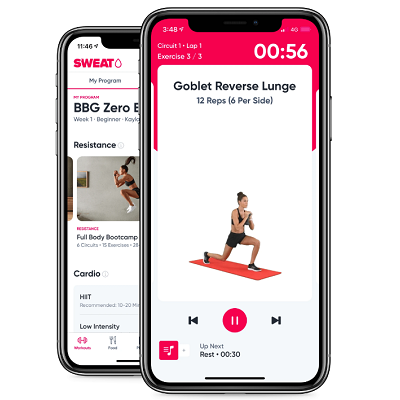
One benefit of using fitness apps is that they tend to be more affordable than a gym membership, with Sweat costing $19.99 a month. This includes workouts and advice from personal trainers, as well as access to meal plans and shopping lists. Many workout apps now offer programs that use only bodyweight exercises, making it easy to work out with no equipment. Others focus more on strength training with weights, including dumbbells, kettlebells, or gym machines.
Anyone doing SWEAT app workouts?
But that’s just the start—users can also access sessions centered on running, functional training, yoga, cycling and more, plus personalized workout programs. As a fitness- and nutrition-focused app, 8fit allows you to first enter an objective and measure your current fitness level; then it gives you a customized plan to get from point A to B. The workouts, which can be tackled at home sans fancy equipment, are relatively short (15 to 20 minutes) but vary in focus—from endurance training and HIIT to strength training and bodyweight exercises.
When she’s not throwing weights around or attempting handstand push-ups, you can probably find her on long walks in nature, buried in a book or hopping on a flight to just about anywhere it will take her. There are a few options for express workouts, some of which are 10 minutes, but mostly they are minutes long. If you’re using a fitness app as your main form of exercising, it’s ideal to be moving for this length of time. However going forward, I’d like to use the Sweat app alongside my usual workout routine, so shorter workouts would be useful. In the future, I think a combination of weight-based workouts and bodyweight routines will help me get the results I want when it comes to building strength and improving my fitness. I also think I’ll continue to use some of the workouts on the Sweat app to meet my goals.
The best 45 minutes of your day
The app is free of ads and contains a library of over 500 exercises. Caliber also records and charts strength progress and body metrics—body weight, waist size, and body fat percentage. Caliber Strength Training is a fitness coaching program grounded in scientific principles designed to increase strength and improve body composition. The app offers both group and individual training plans which are written and modified by a certified coach based on progress. By evaluating your past workouts, current strength-training abilities, and available gym equipment, FitBod develops a custom fitness plan that can help you work toward—and eventually crush—your goals. Strength-focused workouts come in a variety of formats, from general conditioning to bodybuilding, powerlifting, Olympic weightlifting, and more.
Fitness app founder Kayla Itsines sells Sweat for $200 million
However, I like to cook and experiment with my food and many of the options were things I’d made before, so I wasn’t interested in them. While the free version is extensive, if you’re going on some deep country trails, it may be worth it to upgrade. At only $35.99 per year, the monthly price works out to only $2.99, so even the paid plan earns a 5 out of 5 for value. When you log a workout, the app will give you neat little celebrations; for example, I was told my total tonnage after a squat workout was like lifting a car.
What’s Included in
- And, because the ab muscles are small, you can work them every day.
- Now you have access to various workout programs that can be done at home or in the gym, such as yoga, strength and Pilates, all taught by different women personal trainers.
- It allows you to track your own strength training workouts with their library of exercises, each with written and visual instructions.
- Jefit’s free version allows you to log and track your workouts, as well as gives you access to some workout routines, although many are locked behind the elite subscription.
- It essentially provides a list of exercises with a number of reps or a specific amount of time to complete each exercise.
- Broken down by week, it will guide you through your entire pregnancy.
I probably need something more high intensity than Pilates to help break through my weight loss plateau, though. I’ve done it before, I just sub out the intense ab exercises for something more postpartum appropriate. Lotus lets yoga enthusiasts browse more than 450 yoga poses, each with an accompanying illustration, safety notes, and description of its benefits. Creative types can combine poses to create their own flow, or if you’d really rather just follow someone else’s lead, you can do just that with 100-plus guided yoga workouts and meditation sessions. Want to get into yoga but feeling intimidated or otherwise overwhelmed? Consider this beginner-friendly app, which is specifically designed for newbies—no crazy flexibility required.
One workout app that really speaks to both these points is the SWEAT app. If you don’t know it yet, you can get to know it in our full SWEAT app review. In short, it’s a women-focused fitness app packed with programs designed to meet you where you’re at, whether that’s building strength, toning up, or getting back into a routine.
SWEAT review: Interface and smartwatch apps
It’s the little things, but that sort of interaction can help people through tough days. If you’re a cyclist, or any endurance athlete, a great app for tracking your bike routes is Strava. Not only is the GPS tracking pretty accurate, but there is a social element that separates it from most other free cycling apps.
I like the meal ideas and I think they can serve as a little guideline. I think it would be interesting if they added a macro tracker in the app and listed the macros for each meal they recommend. However, macro tracking isn’t best for everyone, and following the recommended meals every day probably won’t work for everyone either.


